Ontario Vehicle Safety Inspection Checklist (Official MTO Guide)You Need to Know
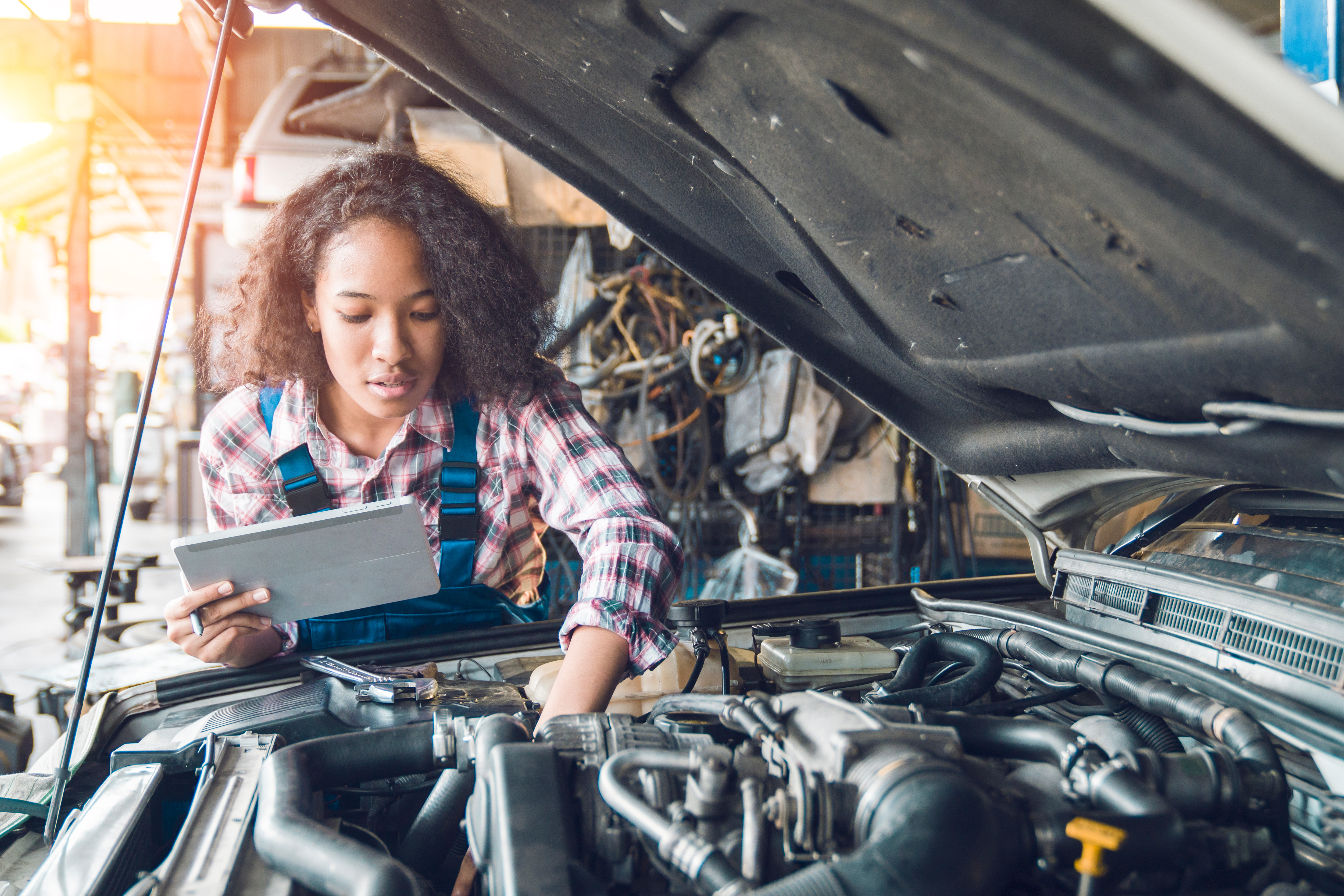
What Gets Checked - Complete 2026 Guide for Toronto & North York Drivers
What is checked during a vehicle safety inspection in Ontario?
An Ontario vehicle safety inspection includes a full evaluation of brakes, tires, suspension, steering, lighting, structure, exhaust, and safety systems. Vehicles must meet strict standards set by the Ministry of Transportation, Ontario (MTO).
You can view the official checklist here:
Local Insight: Toronto Area & North York Drivers
In Toronto and North York, vehicles are more likely to fail inspections due to:
Road salt → accelerated rust
Potholes → suspension damage
Traffic → brake wear
That's why local drivers benefit from a pre-inspection check before the official test.
Complete Ontario Safety Inspection Checklist (Based on Official MTO Standards)
The checklist below is based directly on the official MTO document used by licensed inspection stations:
Inspection Categories & What Mechanics Check
Brakes | Pads, rotors, hydraulic system, parking brake | Worn pads, leaks, corrosion |
Tires & Wheels | Tread depth, condition, and size compliance | Bald tires, uneven wear |
Steering | Linkages, steering wheel play | Loose or worn components |
Suspension | Shocks, struts, springs | Broken springs, instability |
Lights | Headlights, signals, brake lights | Non-working or incorrect lights |
Electrical | Warning lights, wiring | Dashboard warning lights ON |
Windshield & Wipers | Cracks, washer function | Obstructed driver view |
Body & Frame | Structural integrity | Rust holes, frame damage |
Exhaust System | Leaks, mounting | Excessive noise, leaks |
Seatbelts | Functionality, locking | Damaged or non-working belts |
Fuel System | Leaks, secure components | Fuel leaks |
Other Safety Items | Horn, defroster | Not operational |
Real Story: North York Driver Inspection Surprise
A driver came in confident that their car would pass.
But during inspection:
Brake lines showed hidden corrosion (very common in Ontario)
Suspension damage from potholes was discovered
A dashboard warning light triggered an automatic fail
After repairs, the car passed and became significantly safer to drive.
Why Vehicles Fail Inspections in Ontario
Top failure causes (based on real shop data):
Brake system wear or failure
Rust is affecting structural components
Suspension damage
Tire condition below legal limits
Warning lights (check engine, ABS, airbag)
Fun Fact
The Ontario safety inspection is not routine annually.
It's only required when:
Selling a vehicle
Registering a used vehicle
Bringing a vehicle from another province
Look for:
✔ Licensed inspection stations
✔ Shops familiar with MTO standards
✔ Digital inspection reports
✔ Honest, transparent recommendations
Pro Tip: A pre-inspection using the official MTO checklist can help you avoid costly surprises.
FAQ:
It confirms a vehicle meets minimum safety requirements defined by the MTO.
36 days from the issue date.
Can rust fail a vehicle inspection?
Yes — if it affects structural integrity or safety components.
Do I need an inspection every year?
No — only for ownership transfer or registration.
How much does a safety inspection cost in Toronto?
Typically between $120 and $200.
People Also Ask:
What is included in the Ontario vehicle inspection?
All major safety systems, including brakes, tires, steering, and structure.
Can I drive without a safety certificate?
Yes, but you cannot register or transfer ownership.
Will check the engine light fail inspection?
Yes, any warning light can cause failure.
How strict is the Ontario inspection?
It complies with the province's very strict regulatory standards
How long does the inspection take?
Usually 1 hour
You must repair issues and return for re-inspection
Can I sell a car without safety?
Yes, but only as "as-is."
Do new cars need inspection?
No, unless re-registered under certain conditions.
Are winter tires required?
No, but they must meet safety standards if installed.
What is checked in brakes?
Pads, rotors, hydraulic system, and parking brake.


Comments